


Collection: Ritual Sprays
Twelve smokeless ritual mists — protection, uncrossing, road opener, prosperity and love blends — in 2 oz and 4 oz bottles, $10.00 to $23.95.
In short: A mist does what smoke does, in rooms where you cannot light anything. Check the size and whether it is rated for skin.
-
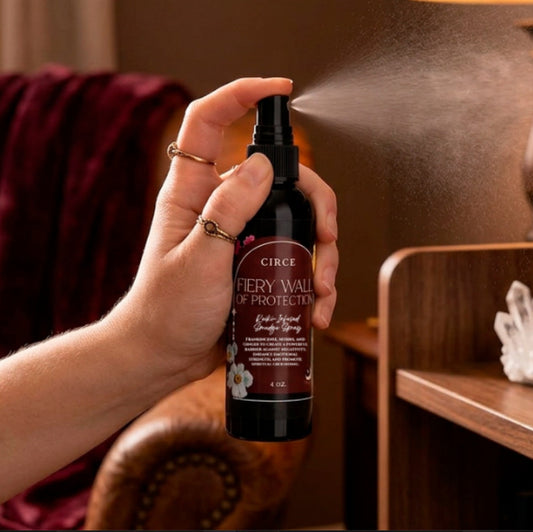
Fiery Wall of Protection Smudge Spray — Frankincense, Myrrh & Ginger Room and Body Mist
Regular price $18.00Regular priceUnit price / perSale price $18.00 -
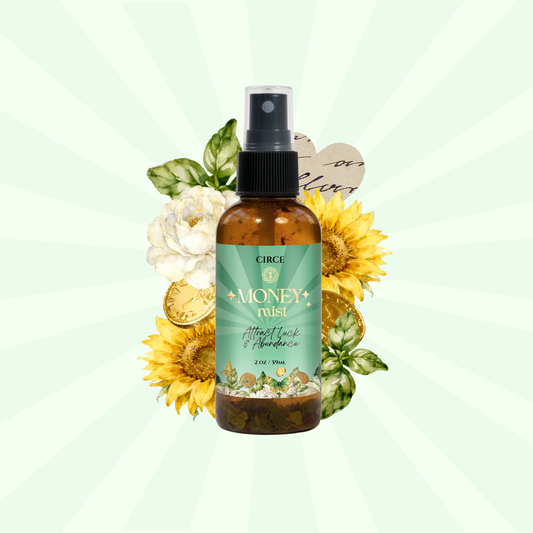
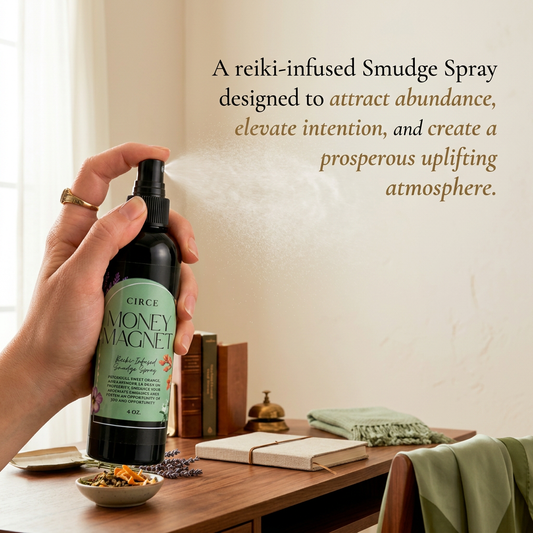
Money Mist Abundance Spray — 2 oz Prosperity Mist With Bay Leaf & Cinnamon
Regular price $10.00Regular priceUnit price / perSale price $10.00 -
Evil Eye Protection Ritual Spray — 4 oz Sandalwood & Patchouli Room and Body Mist
Regular price $18.00Regular priceUnit price / perSale price $18.00 -
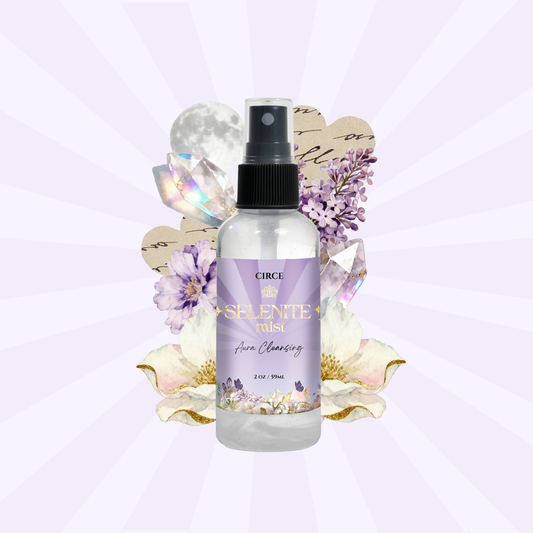
Selenite Aura Cleansing Mist — White Tea & Ginger Clearing Spray (2 oz)
Regular price $10.00Regular priceUnit price / perSale price $10.00 -
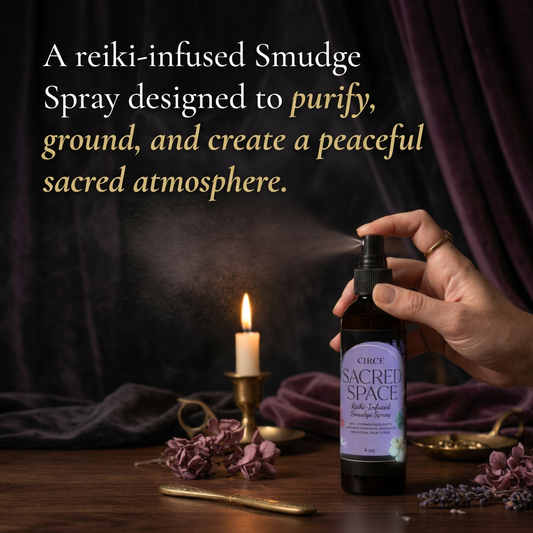
Sacred Space Smudge Spray — Sage, Cedarwood & Lavender Mist (4 oz)
Regular price $18.00Regular priceUnit price / perSale price $18.00 -
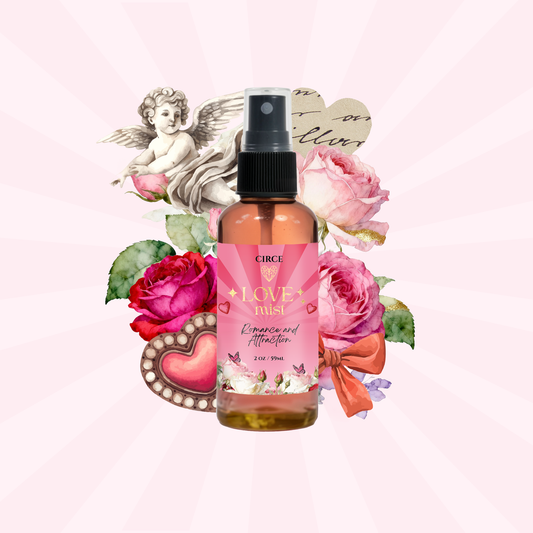
Love Attraction Mist — Rose & Jasmine Heart Energy Spray (2 oz)
Regular price $10.00Regular priceUnit price / perSale price $10.00 -
Road Opener Mist — New Beginnings & Opportunity Spray (2 oz)
Regular price $10.00Regular priceUnit price / perSale price $10.00 -
Palo Santo Cleansing Spray — Grounding Smokeless Clearing Mist
Regular price $18.95Regular priceUnit price / perSale price $18.95 -
Prosperity Smudge Spray — Money-Drawing Ritual Mist for Abundance
Regular price $18.95Regular priceUnit price / perSale price $18.95 -
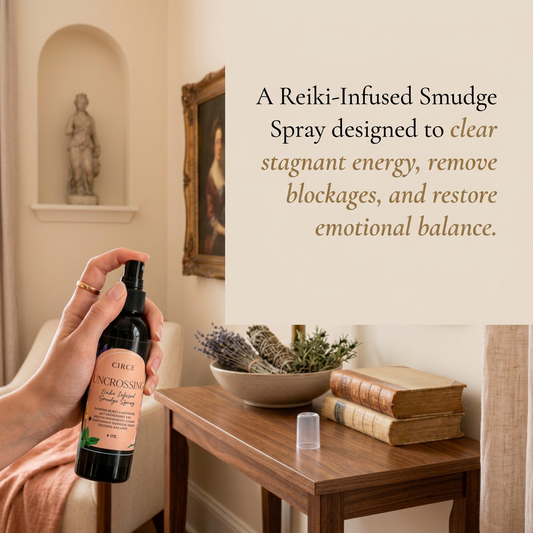
Uncrossing Smudge Spray — Smokeless Energy Clearing Mist (4 oz)
Regular price $18.95Regular priceUnit price / perSale price $18.95 -
Protection Spray — Aura & Space Cleansing Mist
Regular price $23.95Regular priceUnit price / perSale price $23.95 -
Palo Santo Smudge Spray — Smokeless Cleansing & Calm
Regular price $23.95Regular priceUnit price / perSale price $23.95
How to choose a ritual spray
A ritual spray is the version of a cleansing practice that works in a room where you cannot light anything. Rentals with a smoke alarm two feet from the altar, offices, shared apartments, homes with an asthmatic or a bird in them, evenings when your lungs are simply not up for it. What you get is a fine mist of water carrying essential oils and, in some blends, suspended botanicals or mineral powder — the same gesture as smudging, the same intention, without smoke, ash or an open flame.
The condition-blend vocabulary these mists borrow is older than the format. American folk practice, hoodoo and rootwork above all, built a catalogue of named formulas for named situations: Road Opener for blocked paths, Uncrossing for a run of bad luck, Fiery Wall for protection, Money Drawing for the obvious. Traditionally these blends are used to mark a threshold, clear a space before ritual work, or set a tone before something difficult. Any effect beyond scent, atmosphere and your own focus is not scientifically established, and nothing here is sold as a treatment for any condition.
Reading the label before you buy
Look for named essential oils rather than the word "fragrance." A blend that lists juniper, lavender and peppermint is telling you what is in it; one that says "fragrance oil" is telling you it is a synthetic perfume, which is fine if you want the scent, misleading if you wanted the plant. Amber or black bottles matter for the same reason wine comes in dark glass — essential oils degrade in light. Check the sprayer too: a fine-mist atomiser disperses; a cheap pump squirts, which soaks one spot and empties the bottle in a month.
Then check what the bottle is rated for. Some of these are room mists only. Others are explicitly made for skin as well — the sandalwood and patchouli blends in this collection are described as room and body mists. A room-only formula can be far more concentrated than anything you want on your face.
Size, strength and what a bottle actually costs you
| Size | Roughly | Best for |
|---|---|---|
| 2 oz | About 250–400 sprays | Bag, desk drawer, travel. The size you actually carry |
| 4 oz | About 500–800 sprays | Home altar, doorway, a room you clear regularly |
In this collection the 2 oz mists sit at $10.00 and the 4 oz bottles run $18.00–$23.95, so the larger size is generally the better value per spray if it is a blend you will use often. Buy the small one to find out whether you like the scent; buy the large one once you know.
Using it without ruining anything
Shake first, every time. Oil and water separate in the bottle, and an unshaken mist sprays mostly water and then mostly oil. Mist upward into the air and let it fall rather than spraying directly at surfaces — essential oils can mark polished wood, spot silk and linen, and dull some painted finishes.
If you are using one on skin, patch-test on the inside of your forearm and wait a day. Citrus oils deserve particular care: bergamot, orange peel and several other expressed citrus oils are phototoxic, meaning they can cause a burn-like reaction on skin exposed to sunlight for up to twelve hours afterward. Keep every one of these away from eyes and out of reach of children, and treat a water-based mist as having a working life of six to twelve months — there is no preservative doing heavy lifting in most of them.
Is a spray as effective as burning sage or palo santo?
For the practical purpose — marking a threshold, resetting a room, giving a ritual a physical gesture — it does the same job, and it does it in places where smoke is not an option. What it does not reproduce is the smoke itself: the visible drift, the way it settles into fabric, the longer scent trail. If the smoke is the part that matters to you, a mist will feel thinner. If the ritual is the part that matters, it is a direct substitute. Neither has an established effect beyond scent, atmosphere and focus.
Can I spray it on my skin?
Only if the listing says so. Several blends here are described as room and body mists and are formulated for it; others are made for spaces only and are more concentrated than you want on your face. When a spray is skin-safe, still patch-test on the inside of your forearm and wait twenty-four hours before wider use, keep it away from the eyes, and avoid broken skin. Anyone pregnant, nursing or on medication should ask a doctor first, since several common ritual oils are not recommended in pregnancy.
Will it stain furniture, fabric or floors?
It can. Essential oils are solvents, and undiluted droplets can mark polished or waxed wood, spot silk and linen, and soften some painted and varnished finishes. Mist upward into the air about arm's length from any surface and let it settle, rather than spraying directly onto furniture. Test any fabric on a hidden seam first, and wipe up an accidental puddle straight away rather than letting it sit.
Are ritual sprays safe around pets?
Use real caution. Birds are the clearest case — their respiratory systems are extremely sensitive to airborne aerosols and strong volatile oils, and a room being misted is a room a bird should not be in. Cats lack an enzyme pathway that processes several compounds found in essential oils, so tea tree, citrus, pine and eucalyptus in particular are best avoided where a cat lives. Mist an empty room, ventilate it, and let it settle before the animal returns. Ask your vet if you are unsure about a specific blend.
Why do I have to shake the bottle?
Because oil and water do not stay mixed. Most of these mists are water-based with essential oils dispersed through them, and left standing the oil rises. An unshaken bottle sprays weak, watery mist for the first half and then a burst of concentrated oil at the end — which is both a waste of the blend and the most likely way to stain something. Five seconds of shaking before each use fixes it.
How long does a bottle last?
A 2 oz bottle gives roughly 250 to 400 sprays and a 4 oz bottle about double that, so daily use of one spray per room puts a small bottle at several months. Shelf life is the tighter limit: water-based mists without heavy preservatives are best used within six to twelve months of opening. Store them out of direct sunlight and away from radiators, and go by the scent — when the top notes have flattened and it smells mostly of water, the blend is finished.