

Collection: Staff Picks
The eight things people here reach for most: three 7-day candles, a protection spray, planetary incense, a sage-and-rose smudge stick, a devotional oil and a tea sampler — $6.99 to $34.99.
In short: a cross-section of the whole shop, picked by what gets reordered rather than by margin.
-
New Moon 7-Day Candle — Intention & New Beginnings
Regular price $11.95Regular priceUnit price / perSale price $11.95 -
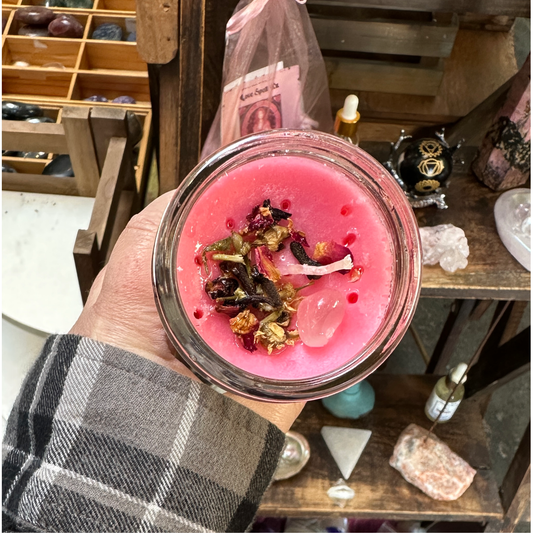
Love Drawing 7-Day Candle — Attraction & Heart Work
Regular price $11.95Regular priceUnit price / perSale price $11.95 -
Money Drawing 7-Day Candle — Prosperity & Opportunity
Regular price $11.95Regular priceUnit price / perSale price $11.95 -
Protection Spray — Aura & Space Cleansing Mist
Regular price $23.95Regular priceUnit price / perSale price $23.95 -
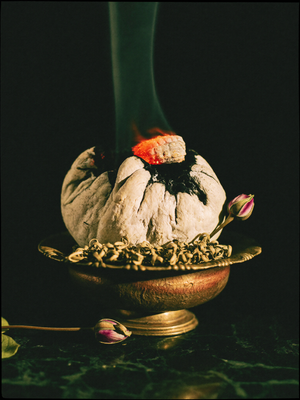
Cosmos Incense — Planetary Sticks, Choose Your Planet
Regular price From $26.95Regular priceUnit price / perSale price From $26.95 -
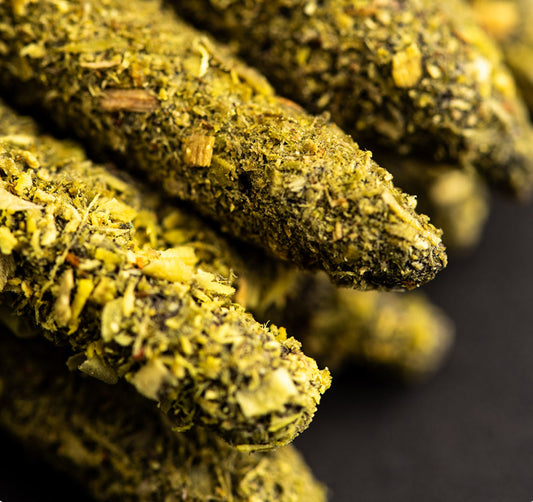
White Sage & Rose Smudge Stick — Cleansing & Reset
Regular price $7.95Regular priceUnit price / perSale price $7.95 -
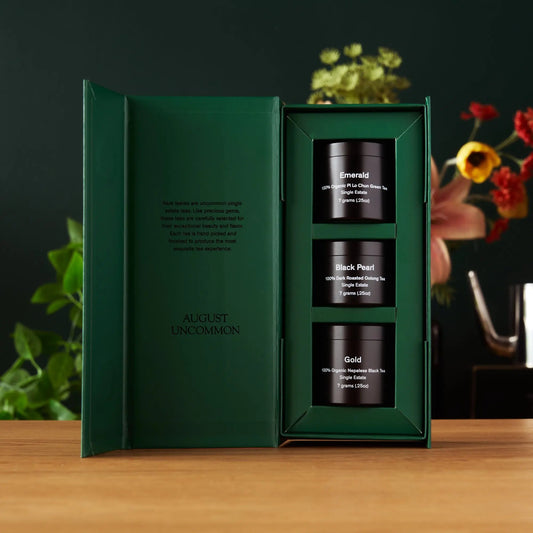
Rare Leaves Tea Sampler — Three Single-Origin Mini Tins
Regular price $39.95Regular priceUnit price / perSale price $39.95 -
Shakti Ritual Oil — Devotional Anointing Oil
Regular price $13.95Regular priceUnit price / perSale price $13.95
How to work with Staff Picks

How to Write Your Own Ritual: A Step-by-Step Framework
Seven parts, in order: intention, mode, materials, words, timing, closing, disposal. A working framework for writing a ritual yourself, with a filled-in example - and an honest account...

Spiritual Bath for Cleansing and Protection: How to Actually Do One
A spiritual bath you can run tonight: the herbs, the salt, the direction, the words, a shower version for anyone without a tub, and the three ingredients on...

Which Salt to Use in Witchcraft: Black, Sea, Kosher and the Rest
Black salt, sea salt, kosher, Himalayan, Epsom — what each one actually is, which traditions are genuinely old, and where salt does real damage to soil, floors and...
The guide to the tools people order most
This is not a curated mood board. It is the reorder list — the handful of items that come back into people’s carts a second and a third time, pulled from six different corners of the shop. Between them they cover the four moves nearly every practice actually uses: something to burn, something to clear the air, something to anoint, and something to sit still with. If you are building a first shelf rather than adding to a tenth one, this is the shortest honest route through the catalogue.
What is in here, and what each part is for
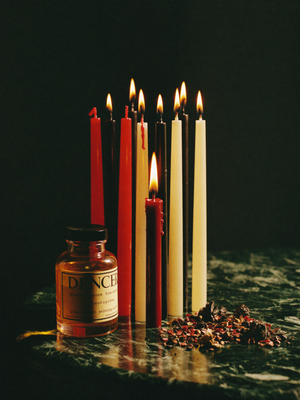
Three 7-day vigil candles at $11 — new moon, love drawing and money drawing — the glass-encased format that carries a working across a week rather than an evening. One protection spray at $22 for the days when smoke is not an option. Cosmos planetary incense at $18, sold by planet rather than by fragrance, which is the older way of choosing. A white sage and rose smudge stick at $6.99 — the cheapest thing on the list and the one most people buy first. A Shakti devotional oil at $13 for dressing candles, hands and doorframes. And a three-tin single-origin tea sampler at $34.99, which is the only item here that is not a ritual supply at all — it is what the quiet hour is for.
Where to start if this is your first shelf
Buy the smudge stick and one candle. That is the whole beginning, and it costs under twenty dollars. Choose the candle by what is actually going on rather than by colour theory — new moon for something you are starting, money drawing for something you are trying to open, love drawing for heart work. Add the spray the first time you want to clear a room you cannot fill with smoke: a rental with alarms, an office, a bedroom with someone asleep in it. The oil and the incense come later, when you want a working to have more layers than fire alone. Nobody needs all eight at once, and the people who order all eight at once are rarely the ones who come back.
How to use each without a manual
A vigil candle is lit, sat with for a real stretch of time, and snuffed rather than blown out; you return to it at roughly the same hour each day until it finishes. A smudge stick is lit until it flames, then blown out so it smoulders, and carried through a room on one continuous route before being pressed out in sand or a shell — never left to burn down on its own. A spray does the same route in straight lines across thresholds and corners. Incense is chosen by the day it suits and burned in a holder that catches its ash. Oil goes on in small amounts: a fingertip down the candle, the wrists, the doorframe. And the tea is made slowly on purpose, because the sitting is the practice, not the leaf.
Safety, storage, and who this is for
Keep oils and sprays out of sunlight and away from heat; botanicals steeped in oil will shift colour over a year, which is normal, but a sour or crayon-like smell means it is finished. Store smudge bundles dry, since damp ones will not hold a smoulder. Never leave a candle, stick or bundle burning unattended, keep all of it clear of curtains, children and animals, and open a window while you burn. None of these products treats, cures or prevents anything, and none of them guarantees an outcome — what they do is give attention a shape and a duration. This collection is for the person furnishing a practice from scratch, and for the person who wants to send one good box to someone else without guessing.
From the magazine
- New Moon Candle RitualHow to work the cycle without wasting a candle
- How to Burn a Smudge StickLighting, smouldering, and putting it out safely
- How to Cleanse a RoomSmoke, spray, and the order that actually works
- Tea MeditationTurning a cup of tea into a sitting practice
Frequently asked questions
Where should a beginner start with ritual supplies?
With one thing to burn and one thing to clear the air — a candle and a smudge stick or spray. That covers the two moves almost every practice uses. Add an oil once you want the working to have more than one layer, and a deck, stone or teapot only when you know what you would use it for. A shelf built one item at a time gets used; a shelf bought in one order usually does not.
How long does a 7-day candle actually burn?
Roughly 100 to 120 hours if it were left burning without interruption, which is where the name comes from. In practice most people burn them in sittings — half an hour to an hour at the same time each day — and a candle then lasts well beyond a week. Snuff between sittings rather than blowing out, and never leave one lit unattended.
What is the difference between a cleansing spray and burning smoke?
Reach and permission, mostly. Smoke gets into corners and fabric and lingers, which is exactly what makes it unwelcome in a rental, an office, a shared flat or a home with asthma or a nervous animal. A spray does the same job in straight lines across doorways and corners, leaves no ash and sets off no alarms. Many people keep both and choose by the room.
How often should I cleanse my space?
There is no schedule that means anything. The traditional prompts are the useful ones: after an argument, after illness, after guests you did not enjoy, after moving in, and at the new moon if you like an anchor in the calendar. Cleansing on a fixed timetable turns into housework; cleansing when something feels stale keeps it a practice.
Do ritual oils and candles expire?
Candles do not, though wax can bloom or fade in light and old wicks can struggle. Oils do: a botanical oil keeps roughly a year or two stored cool and dark, and the tell is smell — a sour or crayon-like note means it has turned. Sprays with water in them have the shortest life of all. Buy the size you will finish.
Is it safe to burn sage or incense in a small apartment?
With ventilation and attention, yes — but open a window, use a holder that catches ash, and never leave anything smoldering in an empty room. Smoke is an irritant, so keep birds out of the room entirely, and keep dogs, cats and children away from lit ends and hot vessels. If smoke is a problem in your home, the spray is the honest substitute rather than a lesser one.