Collection: Incense Sticks & Cones
Hand-rolled masala sticks, Japanese-style extruded blends and 30-packs — from $2.99, most burning 45 to 60 minutes. Planetary Cosmos sticks, seven-chakra sets, palo santo, sandalwood and nag champa.
In short: incense is aromatic material burned on a stick to scent a room and mark a pause; the effect is aroma and attention, not established science.
-
White Sage Smudge Incense — 8-Stick Pack for Cleansing
Regular price $3.95Regular priceUnit price / perSale price $3.95 -
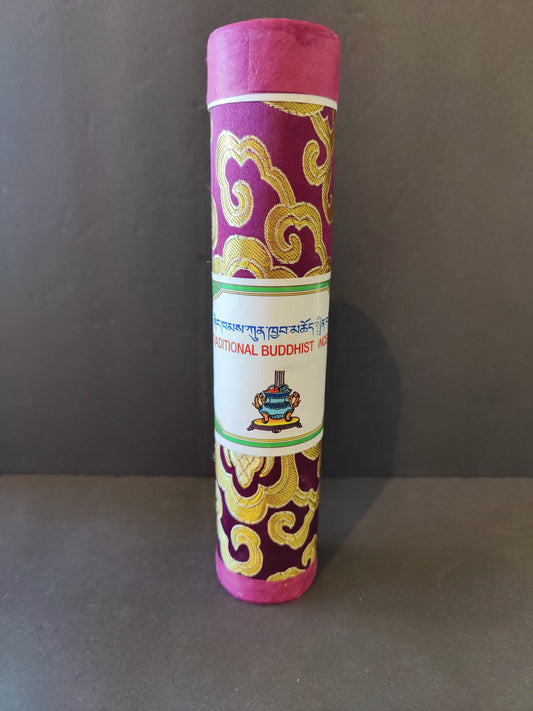
Tibetan Handmade Incense — Hand-Rolled Nepalese Incense for Cleansing
Regular price $12.95Regular priceUnit price / perSale price $12.95 -
Govinda Hand-Rolled Incense — 30g Resin Stick Packet
Regular price $4.95Regular priceUnit price / perSale price $4.95 -
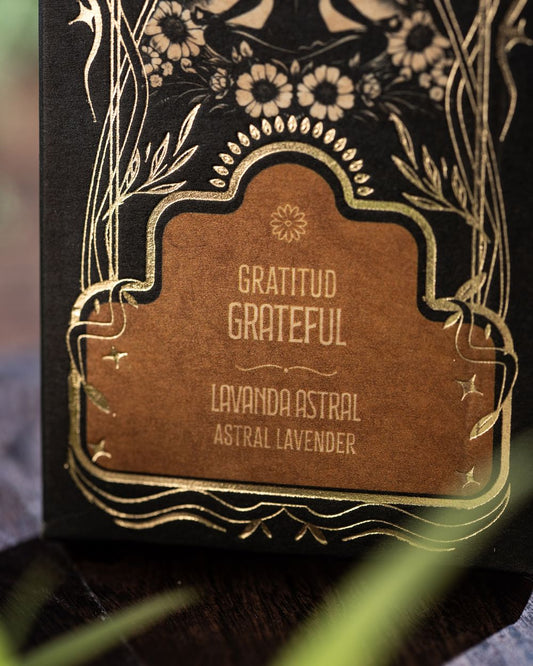
Grateful Ritual Incense — Astral Lavender Gratitude Sticks
Regular price $24.95Regular priceUnit price / perSale price $24.95 -
Cacao Ritual Incense — Chocolate-Scented Heart Ritual Sticks
Regular price $24.95Regular priceUnit price / perSale price $24.95 -
Palo Santo Incense Collection — Sustainable Holy Wood Sticks
Regular price From $26.95Regular priceUnit price / perSale price From $26.95 -
Magnolia Incense — 30 Hand-Rolled Soft Floral Sticks
Regular price From $57.95Regular priceUnit price / perSale price From $57.95 -
Citronella Palo Santo Incense — 30 Hand-Rolled Sticks
Regular price From $57.95Regular priceUnit price / perSale price From $57.95 -
Manifest Ritual Incense — Sage & Benzoin Intention Sticks
Regular price $24.95Regular priceUnit price / perSale price $24.95 -
Tranquility Ritual Incense — Lilies of the East Calming Sticks
Regular price $24.95Regular priceUnit price / perSale price $24.95 -
7 Chakra Incense Collection — Seven Sticks, Seven Chakras
Regular price From $26.95Regular priceUnit price / perSale price From $26.95 -
Elements Incense Collection — Five Element Ritual Sticks
Regular price From $26.95Regular priceUnit price / perSale price From $26.95 -
Venus Cosmos Incense — Rose & Sandalwood Sticks for Friday
Regular price $26.95Regular priceUnit price / perSale price $26.95 -
Saturn Cosmos Incense — Myrrh & Cypress Sticks for Saturday
Regular price $26.95Regular priceUnit price / perSale price $26.95 -
Kundalini Sacred Incense — Grounding Ritual Sticks for Meditation
Regular price $24.95Regular priceUnit price / perSale price $24.95 -
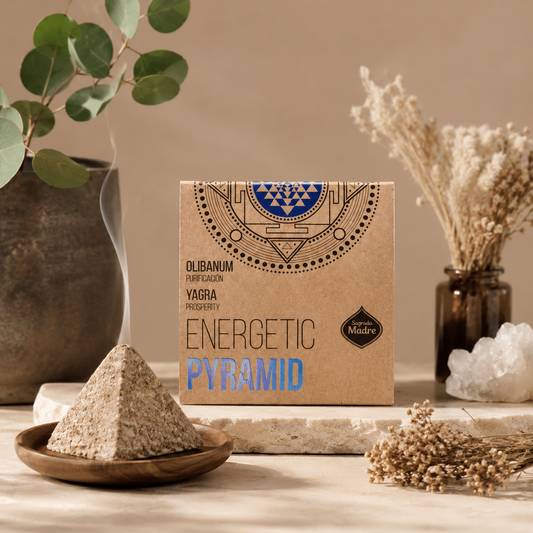
Moon Cosmos Incense — Yagra Ritual Sticks for Monday
Regular price $26.95Regular priceUnit price / perSale price $26.95 -
Jupiter Cosmos Incense — Basil & Frankincense Sticks for Thursdays
Regular price $26.95Regular priceUnit price / perSale price $26.95 -
Patagonia Incense Collection — Herbs, Fruit & Resin from the South
Regular price From $24.95Regular priceUnit price / perSale price From $24.95 -
Tao Premium Incense Collection — Four Scents, 60-Minute Sticks
Regular price From $26.95Regular priceUnit price / perSale price From $26.95 -
Ritual Incense Collection — Twelve Intention Blends, Eco Base
Regular price From $24.95Regular priceUnit price / perSale price From $24.95 -
Divine Encounter Sacred Incense — Floral, Resin & Wood Sticks
Regular price $24.95Regular priceUnit price / perSale price $24.95 -
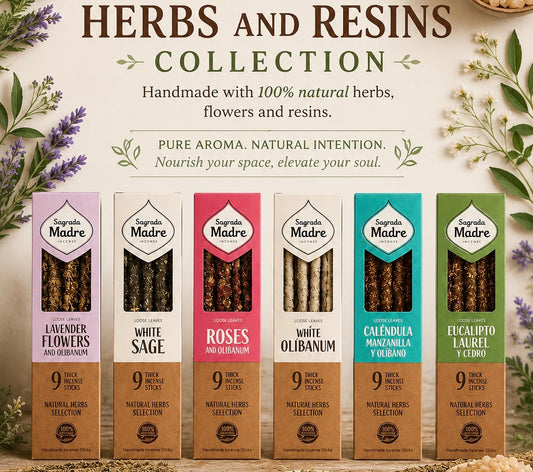
Herb & Resin Incense — Six Botanical Blends for Purification
Regular price From $26.95Regular priceUnit price / perSale price From $26.95 -
Sandalwood Incense 30-Pack — Hand-Rolled Sticks for Meditation
Regular price From $57.95Regular priceUnit price / perSale price From $57.95 -
Artisanal Incense 30-Pack — Six Hand-Rolled Scents, 1-Hour Sticks
Regular price From $57.95Regular priceUnit price / perSale price From $57.95
The guide to incense sticks
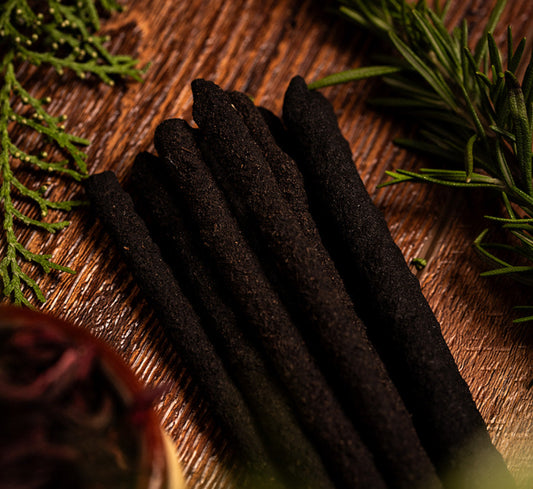
An incense stick is aromatic material — resins, woods, herbs, flowers, essential oils — bound into a paste and burned slowly so the scent releases over the better part of an hour. The form travelled out of India, where masala incense is still rolled by hand onto a bamboo splint, through China and Japan, where the bamboo core was dropped entirely in favour of solid extruded sticks that burn without a woody undertone. Nearly everything sold today is a version of one of those two — or a third, cheaper thing pretending to be either.
Masala, extruded and dipped
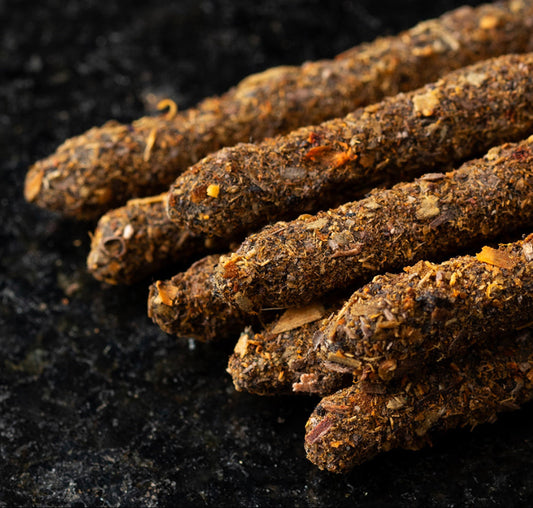
Masala incense is slightly lumpy, smells of its ingredients before you light it, and gives a rounded, layered smoke because there are genuinely a dozen things in the paste. Extruded premium sticks — the Japanese approach — are solid aromatic material with no core at all, so nothing burns but the blend itself; they are the cleanest option and usually the most expensive per stick. Dipped incense is a plain charcoal blank soaked in fragrance oil. It is uniform, cheap and generally the source of the headache people blame on incense in general.
Two tests settle it. Break a stick: masala crumbles, dipped reveals a black core, extruded snaps clean through. And open the pack and smell it cold — good incense already smells like something.
What to look for when you buy
Honest makers state burn time and stick count, and both belong in the price comparison: thirty sticks at $40 works out cheaper than eight at $12. Read the ingredient list for named botanicals instead of the catch-all word "fragrance". Sourcing matters most for two materials — sandalwood and palo santo are both under serious harvesting pressure, and a stated plantation or sustainably-harvested origin is worth the premium. Thickness is a reasonable proxy for how much material is actually on the stick.
Choosing a blend
Sandalwood, frankincense and nag champa are traditionally used for meditation and sitting practice — warm, resinous, quiet. Myrrh, benzoin and sage-and-resin blends are traditionally used to clear a room after tension or illness. Lavender, rose and vanilla suit the end of the evening. If you would rather not commit to one house scent, the planetary and seven-chakra sets give you a different stick for each day and turn the choosing itself into the ritual.
Burning it well
Light the tip, hold the flame for a few seconds until it catches, then blow it out so the ember glows rather than burns. Set it in an ash catcher long enough to take the whole stick, away from curtains, paper and smoke detectors, with a window cracked. Let the holder cool before you empty it, and never leave anything lit in an empty room.
Who this collection is for
Anyone who wants a room to change character in under a minute — before meditation, after an argument, at the start of an evening. If smoke is a problem in your home, a ritual spray or a diffuser does the same job of marking a transition without the ash.
Frequently asked questions
What is the difference between masala and dipped incense?
Masala incense is a paste of ground herbs, resins and woods rolled by hand onto a bamboo splint — slightly lumpy, fragrant before lighting, and rounded in the smoke. Dipped incense is a plain charcoal blank soaked in fragrance oil: cheap, perfectly uniform, and often sharp or headachy because a single synthetic note sits on top of burning charcoal. Break a stick to tell them apart — masala crumbles, dipped reveals a black core.
How long does an incense stick burn?
A short stick runs 25 to 30 minutes; a full-length 9 to 11 inch stick runs 45 to 60. Thicker hand-rolled masala sticks burn at the slower end because there is more material on them. Any maker who does not state a burn time is usually selling a dipped blank.
Is burning incense safe indoors?
It is smoke, so treat it as such. Burn over a heatproof ash catcher long enough to take the whole stick, keep it clear of curtains, paper and smoke detectors, and open a window or run the room ventilated. Keep sessions short if anyone in the house has asthma or smoke sensitivity, never burn near birds, and never leave a lit stick unattended.
Which incense is used for meditation?
Sandalwood, frankincense and nag champa are the three traditionally used for sitting practice — all warm, resinous and low on sweetness, which is why they do not pull attention. Sharper florals and citrus blends are traditionally used to freshen or clear a room rather than to settle into it.
How can I tell if incense is good quality?
Smell the unlit pack — real botanical incense smells like something before you burn it. Read the ingredients for named materials rather than the word "fragrance". Check the stick count against the price, since thirty sticks at $40 is cheaper per stick than eight at $12. And for sandalwood and palo santo, look for a stated sustainable or plantation source; both are under real harvesting pressure.
Do I need a special holder?
Something heatproof, stable and long enough to catch the ash. A ceramic ash catcher or a boat-shaped wooden holder both work; a bowl of sand works for cones and short sticks. Ash falls while the stick is still glowing, so a bare wooden table is a bad idea.