Collection: Altar & Home
The furniture of a working space: incense, oil and wax burners, altar bells, deity candles, carved stone bowls, pocket brass figures and moon-phase and evil-eye tapestries. From $3.95.
In short: One light, one vessel, one anchor object and one way to clear the air is a complete altar — everything after that is accumulation, not a starter kit.
-
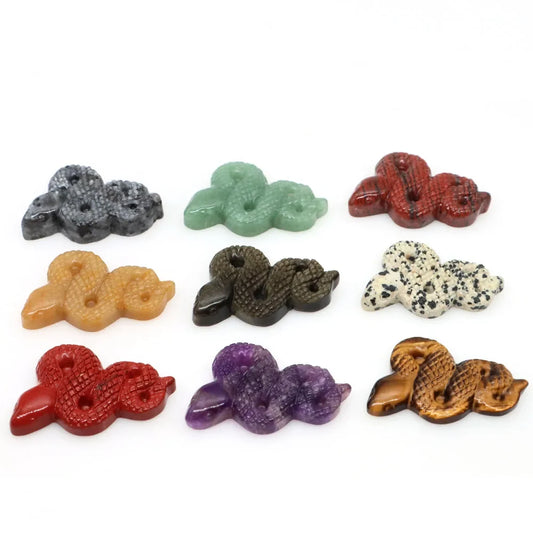
Crystal Snakes — Carved Gemstone Serpents for Transformation
Regular price $18.95Regular priceUnit price / perSale price $18.95 -
Crystal Skulls — Carved Gemstone Memento Mori for Your Altar
Regular price $19.95Regular priceUnit price / perSale price $19.95 -
Crystal Cauldron — Carved Gemstone Cauldron & Crystal Ball Stand
Regular price $19.95Regular priceUnit price / per$19.99Sale price $19.95Sale -
Buddha Crystal Altar Candle — 16 oz Unscented Candle for Inner Peace & Balance
Regular price $34.95Regular priceUnit price / perSale price $34.95 -
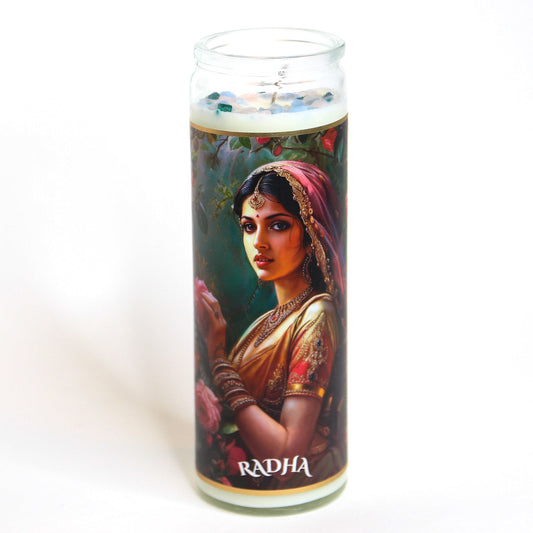
Radha Crystal Altar Candle — 16 oz Unscented Candle for Devotion & Divine Love
Regular price $34.95Regular priceUnit price / perSale price $34.95 -
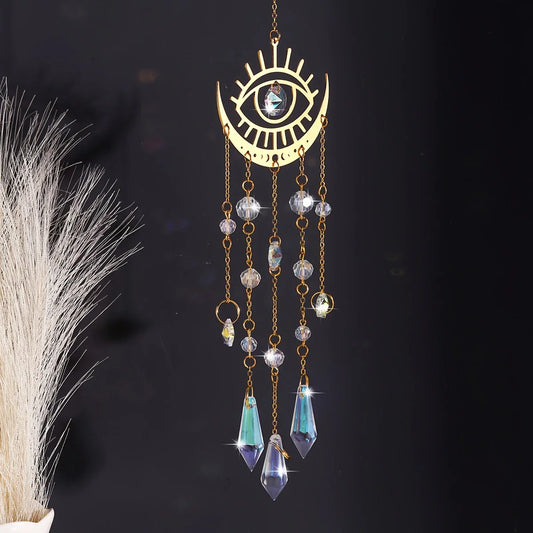
Moon Phase Crystal Suncatcher — Hanging Rainbow Maker for Window & Altar
Regular price $26.95Regular priceUnit price / perSale price $26.95 -
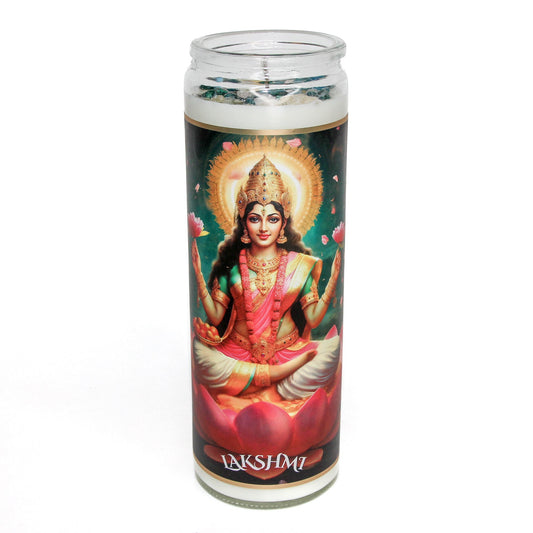
Lakshmi Crystal Altar Candle — 16 oz Unscented Candle for Abundance & Prosperity
Regular price $34.95Regular priceUnit price / perSale price $34.95 -
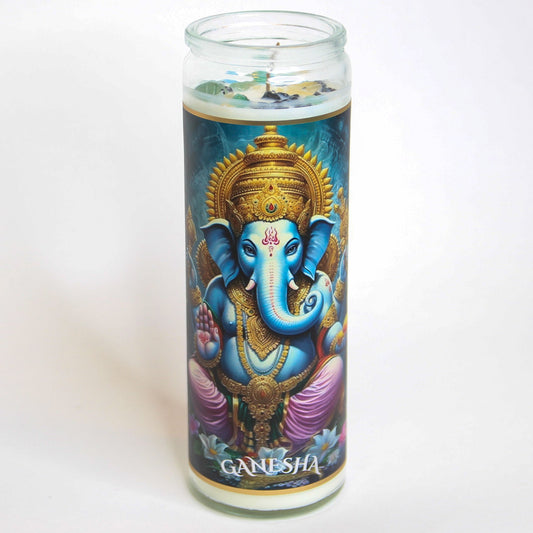
Ganesha Crystal Altar Candle — 16 oz Unscented Candle for Clearing Obstacles
Regular price $34.95Regular priceUnit price / perSale price $34.95 -
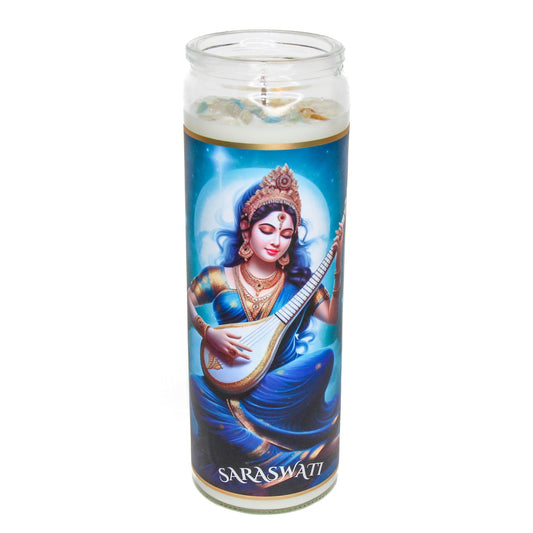
Saraswati Crystal Altar Candle — 16 oz Unscented Candle for Creativity & New Beginnings
Regular price $34.95Regular priceUnit price / perSale price $34.95 -
Green Onyx Bowl — 8-Inch Stone Bowl for Altar & Offerings
Regular price $61.95Regular priceUnit price / perSale price $61.95 -
Malachite Bowl with Gold Rim — Polished Stone Catchall for Altar & Vanity
Regular price $245.95Regular priceUnit price / perSale price $245.95Sold out -
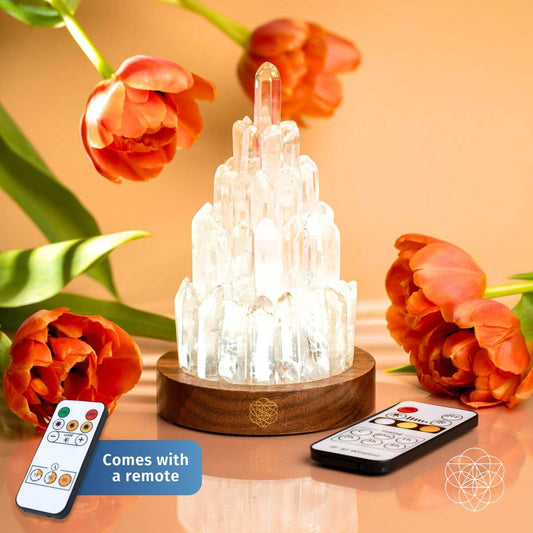
Clear Quartz Obelisk — Polished 17.5 in Brazilian Tower, 5.35 kg
Regular price $1,471.95Regular priceUnit price / perSale price $1,471.95 -
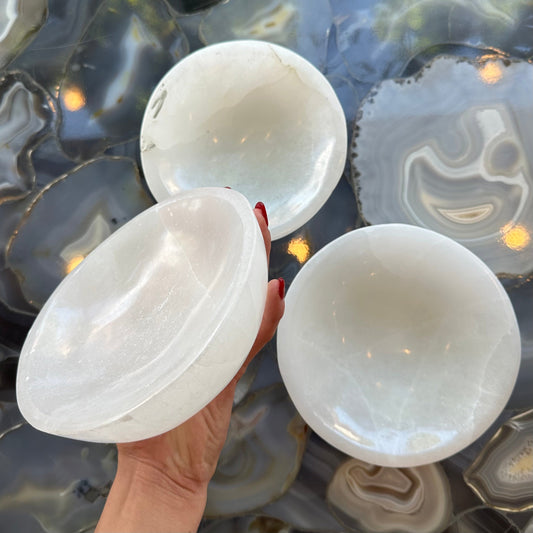
Selenite Bowl 6 in — Moroccan Crystal Dish for Altar & Jewelry
Regular price $55.95Regular priceUnit price / perSale price $55.95 -
Quartz Cluster with XL Point — 25 in Brazilian Specimen & Stand
Regular price $7,355.95Regular priceUnit price / perSale price $7,355.95 -
Orthoceras Fossil Bowl — Polished Moroccan Limestone, 4–5 in
Regular price $24.95Regular priceUnit price / perSale price $24.95 -
Pocket Mini Brass Statues — Tiny Altar Figures for Calm & Daily Focus
Regular price $12.95Regular priceUnit price / perSale price $12.95 -
Flower of Life Incense Burner — 10-Inch Printed Wood Holder
Regular price $3.95Regular priceUnit price / perSale price $3.95 -
Crystal Charm Altar Bells — Large Witch Bell with Gemstone Charms
Regular price $52.95Regular priceUnit price / perSale price $52.95 -
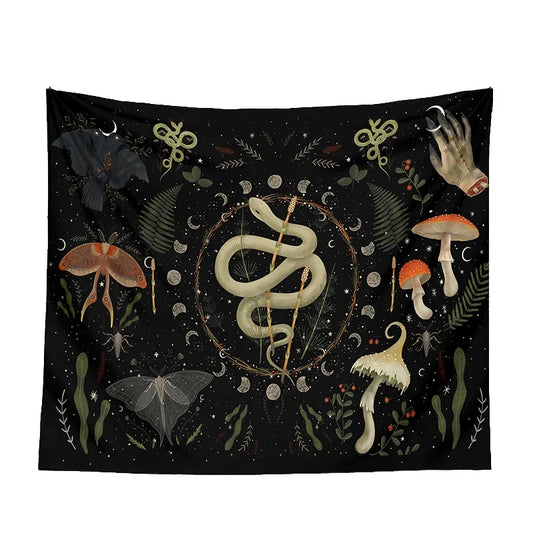
Moon Phase Black Tapestries — Lunar Wall Hanging in Four Sizes
Regular price From $17.95Regular priceUnit price / perSale price From $17.95 -
Antique Tibetan Dragon Wall Panel — Hand-Embossed Pine, 19th Century
Regular price $7,705.95Regular priceUnit price / perSale price $7,705.95Sold out -
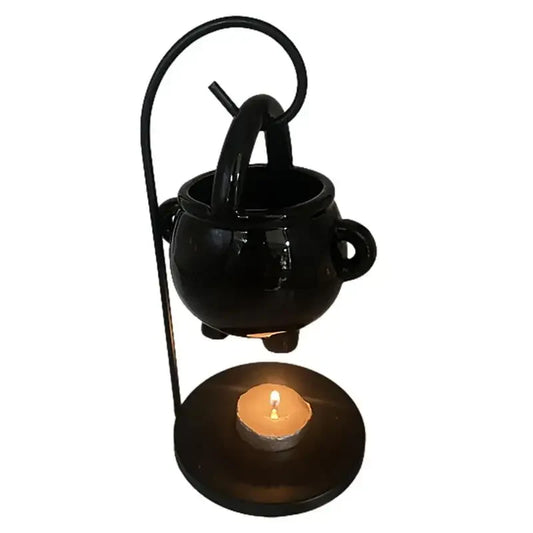
Hanging Cauldron Wax Burner — Ceramic Witch Pot for Wax Melts
Regular price $39.95Regular priceUnit price / perSale price $39.95 -
Carved Soapstone Oil Burner — Hand-Carved Tealight Aromatherapy Diffuser
Regular price $42.95Regular priceUnit price / perSale price $42.95 -
Antique Chinese Dragon Room Divider — Hand-Carved & Gilded, Set of 4
Regular price $12,609.95Regular priceUnit price / perSale price $12,609.95Sold out -
Evil Eye Tapestry — Protective Wall Hanging for Home & Altar
Regular price $55.95Regular priceUnit price / perSale price $55.95
The full guide to altar and home pieces
An altar is a surface with a job. Every settled culture has kept one in some form — a shelf of household gods in a Roman atrium, a butsudan in a Japanese living room, a kamidana, a corner icon, a table of photographs for the dead — and the objects on them are strikingly consistent across traditions that never met: a light, a vessel, a figure, something that makes smoke or sound. What that does is not mysterious. A fixed surface, returned to at a fixed time, is a cue; the objects hold the cue in place. This collection is the furniture of that idea rather than any single tradition's kit, and none of it is a substitute for medical, psychological or financial advice.
What actually belongs on an altar
Almost every tradition that keeps a household shrine converges on the same four functions, whether or not it names them as elements. Something that burns — a candle, a stick of incense, a tealight under a carved soapstone oil burner. Something that holds — a bowl of water, a dish for offerings, a place to put the things you take out of your pockets. Something that anchors — a stone, a photograph, a small brass figure of Ganesha or Tara. And something that clears — smoke, a mist, or the ring of a bell. That is the whole grammar. The most common mistake is buying the objects first and finding the practice afterwards; the reliable order is the reverse. Set the surface, use it for a month, and let the gaps tell you what is missing. An altar that gets touched daily with three objects on it does more than a beautifully dressed one you walk past.
Burners: match the vessel to what you actually burn
This is where most first purchases go wrong, because the four things people call incense need four different vessels. Sticks need a long ash catcher — the ten-inch flower-of-life wooden burner is exactly that, and the length is not decorative; it is what stops ash landing on the shelf. Resins — frankincense, myrrh, copal — need a heatproof bowl with a sand layer and a charcoal disc, and they get genuinely hot; do not use a wooden or thin ceramic dish for them, and do not use the stone bowls on this page either. Essential oils need a two-part burner with a water dish above a tealight, like the soapstone one here, and the dish must never be run dry. Wax melts go in a hanging cauldron burner — the hanging design keeps the flame away from the surface underneath, which is the point of it. In every case: a heatproof base, nothing flammable within a hand's width, and no burner left alone in a room. Tapestries and curtains are the usual culprit in altar fires, so keep fabric and flame on opposite sides of the shelf.
Stone bowls, and why none of them should hold water
Four of the vessels here are cut from natural stone, and each has a real limit that is easy to miss because they all look like dishes. The six-inch selenite bowl is gypsum at about 2 on the Mohs scale — it is soft enough to mark with a fingernail and it will dissolve if it gets wet, so it takes dry items only: rings, tumbled stones, a pendulum. The malachite bowl with the gold rim is a copper carbonate; it is safe to handle and to look at, but it should never hold water, food or drink, and it should not be scrubbed, because it is the abraded dust and the wet contact that make copper minerals a problem. The eight-inch green onyx bowl and the Moroccan orthoceras fossil bowl are both calcite-based and will etch dull wherever anything acidic touches them — vinegar, citrus, wine, even some cleaning sprays. Treat all four as catchalls and offering dishes rather than as tableware, wipe them with a dry or barely damp cloth, and put the water bowl your practice needs in ordinary glass or ceramic.
Candles, figures and the two large quartz pieces
The five crystal altar candles — Ganesha, Lakshmi, Saraswati, Radha and Buddha — are 16 oz unscented pours with stones set into the wax, and they are the simplest way to give a surface both its light and its figure at once. You do not have to have been raised in a tradition to light one, but it is worth knowing whose image you are keeping: Ganesha is invoked at beginnings and obstacles, Lakshmi with prosperity and household wellbeing, Saraswati with study, music and speech, Radha with devotion, and the Buddha figure is a reminder of practice rather than a deity to petition. Burn them the way you would any candle: trim the wick, level the first burn, never leave one unattended. The brass figures run the opposite way — an inch tall, made to be carried rather than displayed, and useful precisely because they turn up in a coat pocket when you had forgotten them. At the other extreme sit two pieces that are furniture in their own right: a 25-inch Brazilian quartz cluster with an XL point and a polished 17.5-inch clear quartz obelisk at 5.35 kg. Both need a surface that can take the weight and a spot out of direct afternoon sun.
Bells, wall pieces and the two antiques
A bell is the oldest attention device there is. Roman Catholic servers ring one at the elevation; Tibetan practice pairs a bell with a vajra; folk practice across Europe rings one at a threshold to mark a change. What they share is function rather than metaphysics — a clear tone ends one state and begins another, which is why it works equally well as a start-of-practice signal and as a full stop. These stand about twelve inches with a crystal charm on the handle in one of five stones, so the charm can be chosen to match what the surface is for. On the wall, the moon-phase tapestries come in six styles and sizes — measure before ordering, because the largest covers most of a bedroom wall — and the evil eye piece carries a symbol with more than five thousand years behind it, usually hung facing the door it is meant to watch. The moon phase suncatcher is the cheapest way to get moving light into a room, and it wants an east or south window to do anything at all. Finally, two pieces that are not altar supplies in any sense: a four-panel Chinese screen with dragons carved and gilded on both faces and an embossed Tibetan board in hand-painted pine. Both are genuine antiques rather than reproductions, sold as single items with the wear that implies — age lines, small losses, and on the Tibetan board a previous owner's alteration at the back where it was used as a headboard. Neither is a repeatable stock item, and the individual product pages describe the specific condition of each.
Which piece for which job
| Piece | Function | Notes before you buy |
|---|---|---|
| Flower of Life Incense Burner | Burns — sticks | Ten-inch ash catcher, five colors; the cheapest useful thing here |
| Carved Soapstone Oil Burner | Burns — oils | Tealight below, water dish above; never run the dish dry |
| Hanging Cauldron Wax Burner | Burns — wax melts | Hanging design keeps the flame off the surface below |
| Ganesha Crystal Altar Candle | Burns + anchors | 16 oz unscented; beginnings and obstacles |
| Lakshmi Crystal Altar Candle | Burns + anchors | 16 oz unscented; prosperity and the household |
| Saraswati Crystal Altar Candle | Burns + anchors | 16 oz unscented; study, music and speech |
| Radha Crystal Altar Candle | Burns + anchors | 16 oz unscented; devotional practice |
| Buddha Crystal Altar Candle | Burns + anchors | 16 oz unscented; a reminder of practice, not a petition |
| Selenite Bowl, 6 in | Holds — dry only | Mohs 2; dissolves in water. Rings, tumbles, a pendulum |
| Malachite Bowl, gold rim | Holds — dry only | Copper carbonate; no water, no food, do not scrub |
| Green Onyx Bowl, 8 in | Holds — dry only | Calcite-based; etches on contact with anything acidic |
| Orthoceras Fossil Bowl | Holds + anchors | Moroccan limestone with fossil cephalopods; acid-sensitive |
| Pocket Mini Brass Statues | Anchors — portable | One inch tall; made to be carried, not displayed |
| Crystal Skulls | Anchors | Carved memento mori; several stones, one per order |
| Crystal Snakes | Anchors | Carved serpents; shedding and transformation imagery |
| Crystal Cauldrons | Anchors + holds | Small carved cauldron; a stone bowl in miniature |
| Crystal Charm Altar Bell | Clears — sound | About twelve inches; choose the charm stone to suit the surface |
| Moon Phase Suncatcher | Light in the room | Needs an east or south window to throw anything |
| Moon Phase Tapestries | Defines the space | Six styles and sizes; measure the wall first, keep away from flame |
| Evil Eye Tapestry | Defines the space | Traditionally hung facing the entrance it watches |
| Clear Quartz Obelisk, 17.5 in | Centerpiece | 5.35 kg; needs a surface that takes the weight |
| Quartz Cluster with XL Point | Centerpiece | 25 in Brazilian specimen; a floor or console piece |
| Antique Chinese Dragon Screen | Architecture | Genuine antique, four panels, single item, carved both sides |
| Antique Tibetan Dragon Panel | Architecture | Genuine antique in hand-painted pine; previous headboard alteration |
Who this collection is for
If you are building a first altar, the honest answer is that you need very little from this page: a burner that suits what you burn, and one anchor object. A three-dollar stick burner and a twelve-dollar brass figure is a complete, working setup, and it is a better start than a hundred dollars of things you have not yet found a use for. If you already keep a practice and it has outgrown a windowsill, the bell, a deity candle and one of the tapestries are the pieces that turn a shelf into a defined space. If you live with people who do not share the practice, small and portable is the whole strategy — pocket figures, a carved skull or snake, and a tray-sized setup travel between rooms and pack away in seconds. And if you are furnishing rather than practicing, the quartz pieces and the two antique dragon panels are the objects here that change a room on their own.
From the Desire Diaries
- How to Set Up an Altar in a Shared RoomSmall, private, and real
- How to Set Up an Ancestor AltarWhat the history supports, and what to leave off
- Evil Eye Protection: Symbols and TraditionsWhich are genuinely old, which are modern
- How to Use a Devotional Oil from a Tradition You Were Not Raised InThe etiquette question, before you light a deity candle
- How to Cleanse a Room: Smoke or SprayThe order that actually works
- Planetary Incense by Day of the WeekA scheduling system, not a rule
More on altars, incense and clearing a space in the magazine
Frequently asked questions
What do you actually need to set up an altar at home?
Four functions, not four purchases: something that burns, something that holds, something that anchors, and something that clears the air. A candle or stick of incense, a small dish, one object that means something to you, and a bell or a mist covers all of it. The surface matters less than the return — a windowsill, a tray, or one shelf of a bookcase all work. Add pieces when the practice asks for them rather than in advance.
Which incense burner do I need for sticks, cones, resin or wax melts?
They are four different vessels. Sticks need a long ash catcher, so a ten-inch wooden burner is the standard choice. Cones need a small heatproof dish they can sit in and burn down. Resins such as frankincense and myrrh need a bowl with a sand layer and a charcoal disc, and that setup gets hot enough that wood, thin ceramic and natural stone are all unsafe. Essential oils need a two-part burner with a water dish over a tealight. Wax melts need a burner with an enclosed flame space, which is what a hanging cauldron burner is for.
Can a selenite, malachite or onyx bowl hold water?
No, and this is the most common way these get ruined. Selenite is gypsum at roughly 2 on the Mohs scale and will literally dissolve in water, so it takes dry items only. Malachite is a copper carbonate: fine to handle and display, but it should never hold water, food or drink and should not be scrubbed, since it is wet contact and abraded dust that make copper minerals a concern. Green onyx and the Moroccan orthoceras limestone are both calcite-based and will etch dull wherever anything acidic touches them. Use all four as catchalls and offering dishes, wipe them dry, and keep a glass or ceramic vessel for water.
Do you have to follow a tradition to use a Ganesha or Buddha candle?
No, but it is worth knowing whose image you are keeping rather than treating it as decor. Ganesha is invoked at beginnings and obstacles, Lakshmi with prosperity and the household, Saraswati with study, music and speech, Radha with devotion; a Buddha figure is a reminder of practice rather than a deity to petition. Keeping the image respectfully — off the floor, not in a bathroom, not used as a coaster — is the part that most traditions would actually care about. Beyond that, light it, sit with it, and read a little about the figure you have chosen.
Where should you hang a moon phase or evil eye tapestry?
Behind or above the altar if you want it to frame the space, or facing the entrance if you are hanging it as a protective symbol, which is the traditional placement for the eye. Measure first: these come in several sizes and the largest covers most of a bedroom wall. They are fabric, so keep them well away from candles and incense, and hang them flat rather than draped near a heat source.
Can you keep an altar in a bedroom or a room you share?
Yes, and it is the most common arrangement. Nothing in the practice requires a dedicated room. A tray that comes out and goes away again, a drawer, or a single shelf all hold a practice perfectly well, and being able to close it is often what keeps it going in a shared apartment. If you burn anything, ventilate the room and keep the burner away from bedding and curtains.