Collection: Tea & Teaware
Single-origin loose leaf, everyday tea bags and clear glass teaware — so you can see the leaf, taste the origin and make a daily cup a quiet ritual.
In short: Tea ritual is attention made drinkable — good leaves, the right water temperature and a few unhurried minutes; everything beyond that is practice, not science.
-
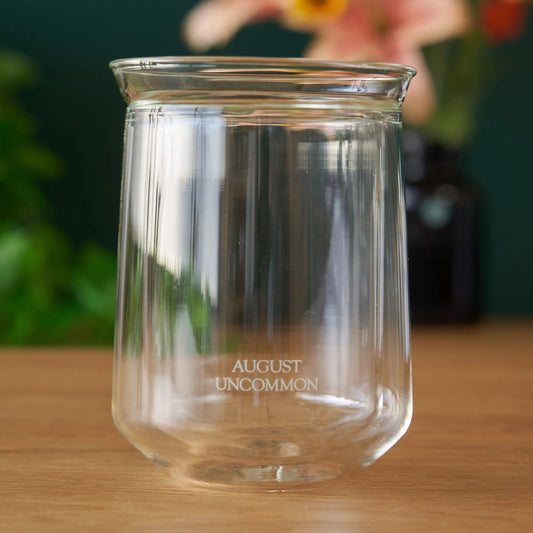
Double-Walled Tasting Glass — Hand-Blown Borosilicate, 12 oz
Regular price $20.95Regular priceUnit price / perSale price $20.95 -
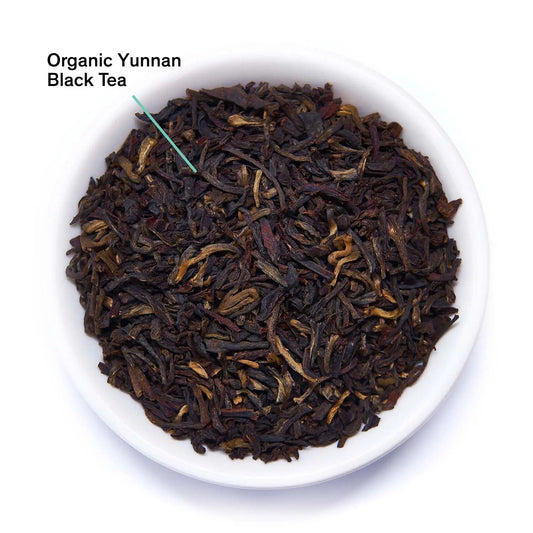
Black Gold Yunnan — Malty Loose Leaf Black Tea
Regular price From $14.95Regular priceUnit price / perSale price From $14.95 -
Decaf Black Loose Leaf Tea — Full Body, 97% Caffeine-Free
Regular price From $14.95Regular priceUnit price / perSale price From $14.95Sold out -
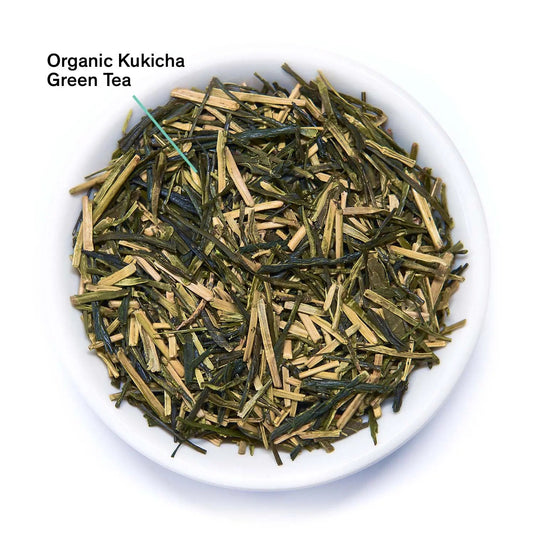
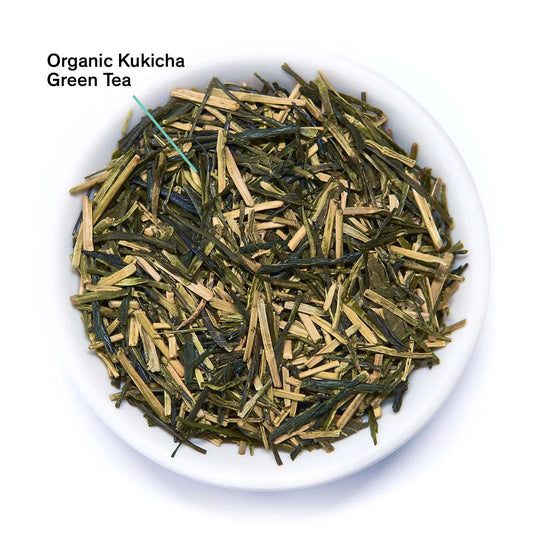
Bright Green Kukicha — Mild Japanese Loose Leaf Green Tea
Regular price From $14.95Regular priceUnit price / perSale price From $14.95 -
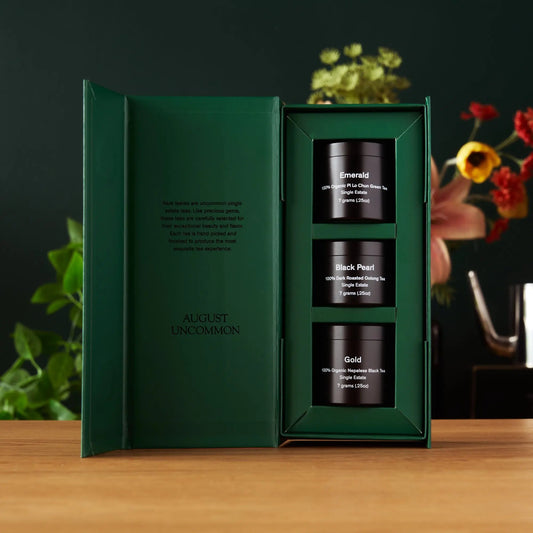
Rare Leaves Tea Sampler — Three Single-Origin Mini Tins
Regular price $39.95Regular priceUnit price / perSale price $39.95 -
Decaf Black Tea Bags — Full Body, 97% Caffeine-Free
Regular price $14.95Regular priceUnit price / perSale price $14.95Sold out -
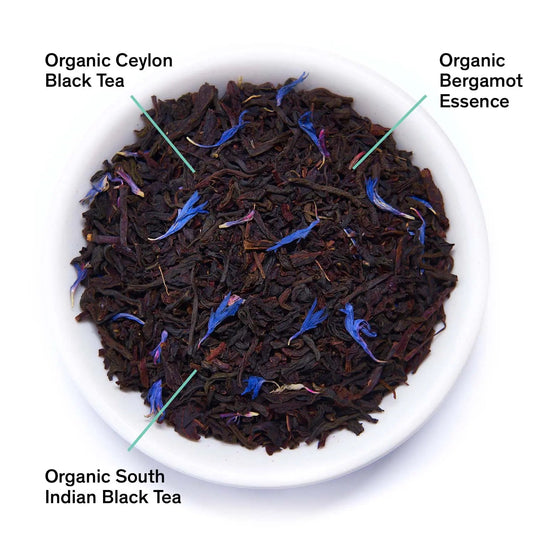
Earl Grey Tea Bags — Silky Bergamot Black Tea
Regular price $14.95Regular priceUnit price / perSale price $14.95 -
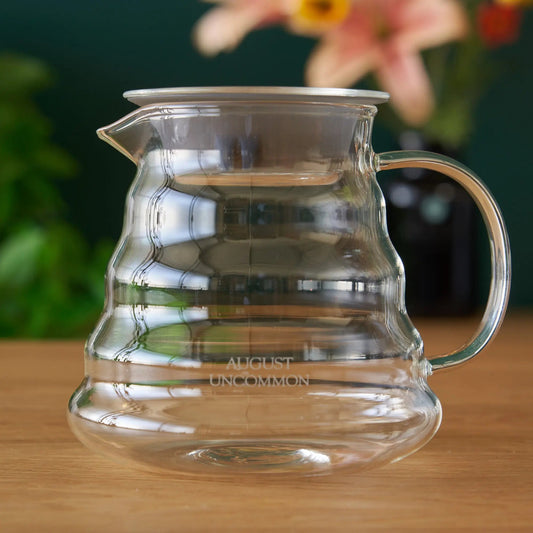
Two-Cup Glass Teapot — See Every Steep, 20 oz Heatproof Glass
Regular price $31.95Regular priceUnit price / perSale price $31.95 -
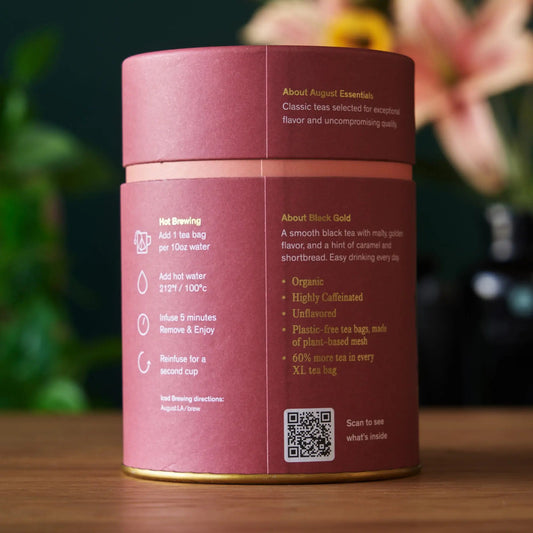
Black Gold Tea Bags — Malty Yunnan Black Tea
Regular price $14.95Regular priceUnit price / perSale price $14.95 -
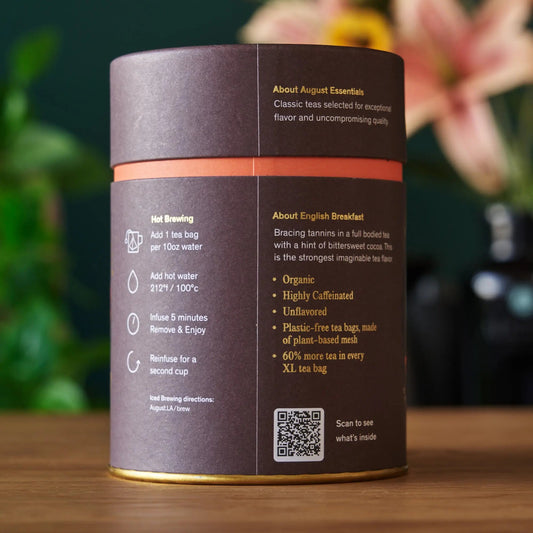
English Breakfast Tea Bags — Bold, Full-Bodied Black Tea
Regular price $14.95Regular priceUnit price / perSale price $14.95 -
Bright Green Kukicha Tea Bags — Mild Japanese Green Tea
Regular price $14.95Regular priceUnit price / perSale price $14.95
The full guide to tea & teaware
Every tea culture on earth arrived at the same discovery: the preparation is half the drink. Japanese chanoyu turned it into choreography, Chinese gongfu into connoisseurship, the British into a daily anchor. You do not need any of those traditions to get the essential part — a few unhurried minutes, hot water meeting good leaves, and a cup you actually taste instead of swallow. This collection keeps it deliberately small: a handful of single-origin and essential teas, glass to brew in, and glass to drink from. The calm that a tea pause brings comes from the pause itself; tea is a pleasure and a practice, not a treatment.
The teas: two colors, done properly
The black teas run from Black Gold Yunnan — malty, honeyed, the loose-leaf flagship — through classic English Breakfast and bergamot-scented Earl Grey to a decaf black that keeps its body at 97% caffeine-free, honest enough for an evening cup. The green side is Bright Green Kukicha, a mild Japanese twig-and-leaf tea that forgives beginners because it hardly ever turns bitter. Most come both as loose leaf and in tea bags — loose leaf gives the leaves room to unfurl and rewards a second steep, while bags win on speed and travel. If you would rather taste before committing, the Rare Leaves sampler packs three single-origin teas into mini tins.
Brewing it right: temperature and time
The single most common tea mistake in American kitchens is boiling water on green tea. Green tea wants roughly 175 °F — water rested two or three minutes off the boil — and two to three minutes of steeping; hotter water scalds the leaf into bitterness. Black tea is sturdier: just-boiled water around 205 °F and three to five minutes, shorter for brisk, longer for strong. Loose leaf appreciates space, which is where the two-cup glass teapot earns its place — you watch color develop and pour at exactly the moment the leaf is done, no guessing. The double-walled tasting glass finishes the job: it keeps the heat in the tea and off your fingers, and lets the liquor show its color.
Making a daily cup a ritual
A tea ritual needs no ceremony robes: same cup, same corner, phone in another room. While the water heats, decide what the pause is for — starting the day, closing the laptop, ending the evening (that is what the decaf is for). Drink it warm and pay attention to the second sip, which always tastes more than the first. Practiced daily, five minutes of tea becomes the most reliable sitting practice most people ever keep.
Who this collection is for
If you are building the habit from zero, start with the two-cup glass teapot and one loose-leaf tin — it is the complete setup for a solo daily ritual. Curious palates take the Rare Leaves sampler and find their tea by tasting. And if your household runs on speed, the tea-bag essentials keep the standard high on busy mornings.
From the Desire Diaries
- Tea Meditation: How to Turn a Cup of Tea into a Sitting PracticeThe five-minute daily ritual
- Green Tea Water Temperature: Why 175°F Fixes the BitternessThe one number that changes everything
- Glass Teaware: Why It Makes You a Better BrewerSee the leaf, time the steep
- How to Read a Tea Label: What It Tells You and What It HidesOrigin, grade, and marketing
Read more on meditation and ceremony in the magazine
Frequently asked questions
What temperature should water be for green tea?
Around 175 °F. Pour boiling water into the kettle's resting position or wait two to three minutes after the boil, then steep two to three minutes. Boiling water scalds green tea leaves and draws out tannins, which is why so many people believe they dislike green tea when they only dislike burnt green tea.
How long should loose leaf black tea steep?
Three to five minutes in just-boiled water, about 205 °F. Three minutes gives a brisk, lively cup; five gives a strong one. Past five minutes you mostly add bitterness, not strength — if you want a bolder cup, use more leaf rather than more time.
Is loose leaf tea really better than tea bags?
Loose leaf usually uses larger, more intact leaves and gives them room to unfurl, which means more flavor and often a worthwhile second steep. Good tea bags are perfectly respectable for speed and travel — the honest answer is that loose leaf wins the ritual and bags win the commute.
What is kukicha tea?
Kukicha is a Japanese green tea made from stems and twigs alongside the leaves. It is naturally mild and low in caffeine and bitterness, with a fresh, slightly sweet taste — one of the most forgiving green teas to brew and a gentle entry point if strong green teas have put you off.
Does decaf black tea still contain caffeine?
A trace. Decaffeinated tea removes most but not all caffeine — ours is 97% caffeine-free, which lands well under a tenth of a regular cup. For nearly everyone that makes it a comfortable evening tea, though the extremely caffeine-sensitive may still prefer an herbal infusion after dark.
Why brew tea in a glass teapot?
Because you can see the steep. Color tells you more accurately than a timer when the tea is ready, glass takes on no flavors from previous brews, and borosilicate handles boiling water without complaint. Watching the leaves open has a second effect: it slows you down, which is half the ritual.